

THERAPY FOR EATING DISORDERS
Eating disorder therapy isn’t just about food. It’s about helping you reconnect with yourself, your relationships, your values, and the life you want to build.
We provide compassionate, nonjudgmental therapy for eating disorders and disordered eating throughout Illinois.
Your relationship with food and your body doesn’t have to feel this hard.
Maybe some of this feels familiar…
Eating disorders and disordered eating can show up in many different ways. You may recognize some of these experiences…
constant thoughts about food or eating
feeling caught in cycles with food that are difficult to interrupt
rigid rules or routines around food or exercise
feeling guilt, fear, or distress connected to eating
feeling like you have to “make up” for what you’ve eaten
feeling disconnected from hunger, fullness, or what your body needs

What we can help with
We support a wide range of eating and body image concerns including:
Eating disorders
Anorexia
Bulimia
Binge eating
Disordered
eating
Food anxiety
Over exercise
Food rules
Eating disorder therapy at Honeybee and Hive is compassionate, collaborative, and individualized.
There isn’t one right way to recover.
We take time to understand your experiences, what matters to you, and what has made change difficult. Together, we create a plan that honors your needs while helping you move toward greater flexibility, and a life that you want to be present for.
No judgment. Ever.
You will be met with kindness, not criticism.
Whole person care.
We look at the full picture - your thoughts, emotions, relationships, and life experiences.
Collaboration.
You are the expert on your life. We’ll walk alongside you.
Support beyond the therapy session.
We can collaborate with your dietitian and other treatment team members.

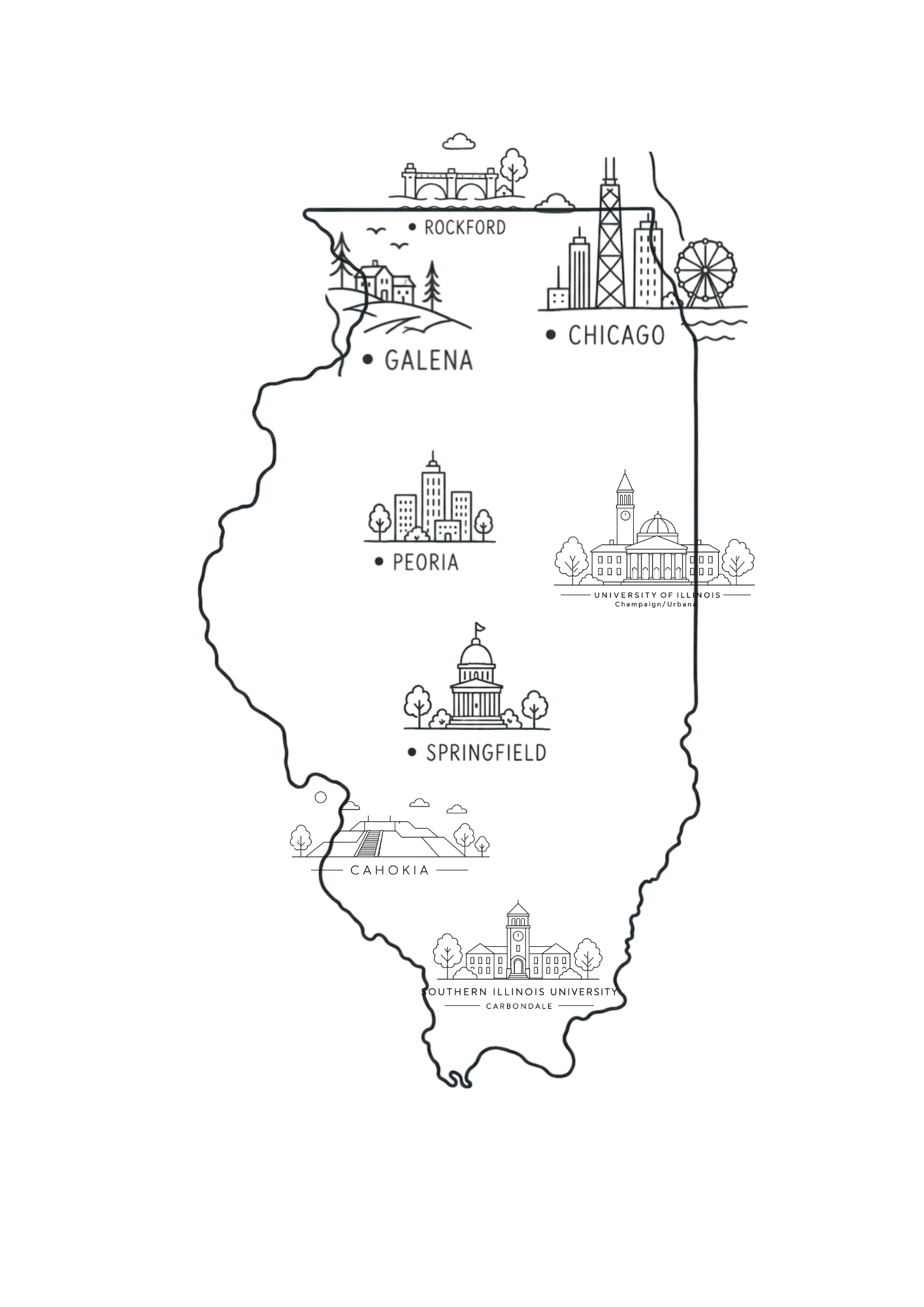
Online eating disorder therapy throughout Illinois
Honeybee and Hive Counseling provides outpatient eating disorder therapy for adults throughout Illinois. Sessions are available online, making specialized eating disorder therapy accessible from home.
We work with clients across Illinois, including Chicago, Evanston and the North Shore, as well as communities throughout the state.
Recovery can look like many things:
More flexibility around food.
Feeling less ruled by guilt, shame, fear, or rules.
Being able to listen to your needs with more trust.
Building a life that feels more meaningful and sustainable.
You don’t have to do it alone.
-
That’s okay.
You don’t have to determine whether your experience meets a particular diagnosis before seeking support. Part of therapy can be helping you understand what’s happening and what kind of support may be useful.
-
Yes. We work with eating disorders including bulimia, anorexia, binge eating disorder, and other forms of disordered eating.
Treatment is individualized and focused on understanding your experience without judgment.
-
Treatment decisions are individualized and discussed collaboratively.
We don’t believe in surprising you with treatment requirements. If monitoring or other forms of care are clinically appropriate, we’ll talk openly with you about why and how they fit into your care.
-
Yes. Eating disorder treatment sometimes works best with a collaborative team.
With your permission, your therapist can coordinate with dietitians, physicians, psychiatrists, or other providers involved in your care when appropriate.
-
Nope.
Food may be part of the conversation, but you’re a whole person. Therapy may also involve emotions, relationships, stress, trauma, identity, coping skills, values, boundaries, and whatever else is relevant in your experience.
-
A previous therapy experience doesn’t have to determine what can happen next.
Sometimes, timing matters.
We can talk about what did and didn’t work before and use that to shape your treatment differently.
-
Yes. Honeybee and Hive Counseling provides online outpatient eating disorder therapy for adults throughout Illinois, including Chicago, Evanston, the North Shore, and communities across the state.